
Business
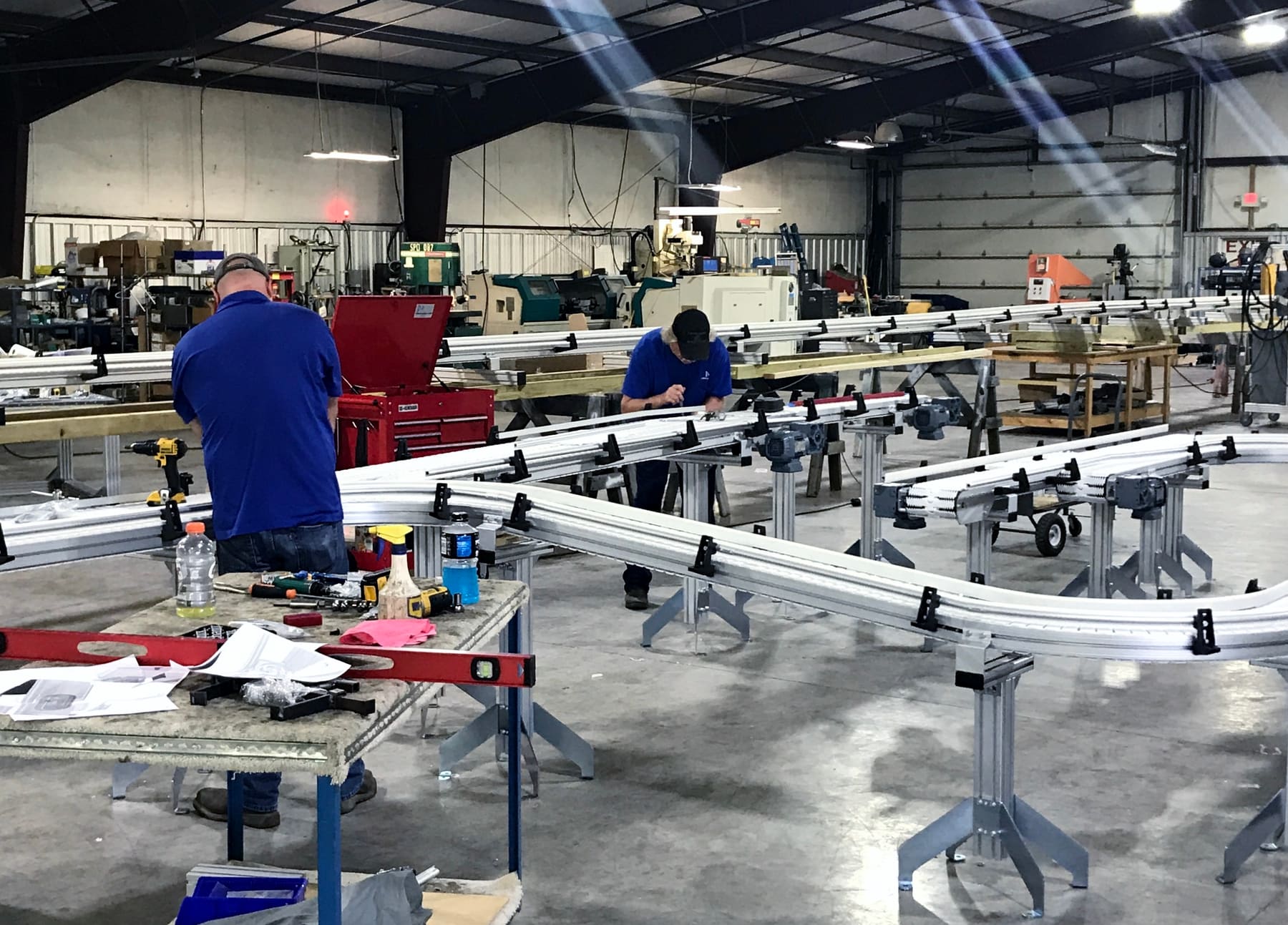
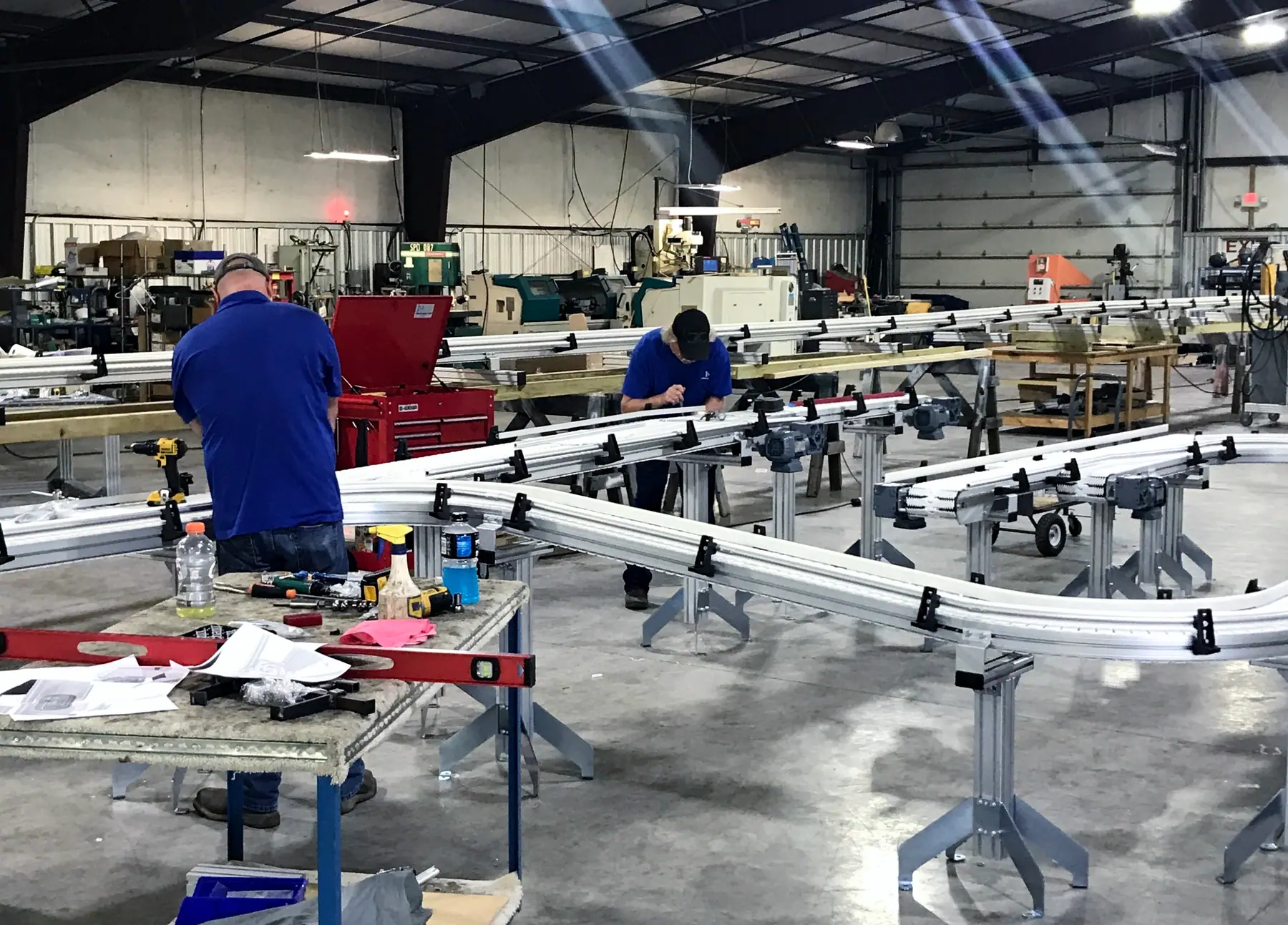
Conveyor designing & how you can have the best
We design in 3D with SolidWorks — so you see the real footprint, and we catch the clashes before anything is cut.
Conveyor systems
Plastic chain conveyorsAluminum conveyorsStainless steel conveyorsConveying solutionsVertical & space-saving
Spiral conveyorsAlpine conveyorsSide grip conveyorsTop grip conveyorsComponents & parts
Modular componentsChains & slide railsAccessories & traffic controlSpecialty equipmentFood & beverage
Food & beverageBakeryWine & spiritsLife sciences
PharmaceuticalBeauty & healthcareOpticalIndustrial
AutomotiveMachined componentsElectronicsTobaccoDistribution
E-commerce distributionPackaged goodsPaper goodsAll industries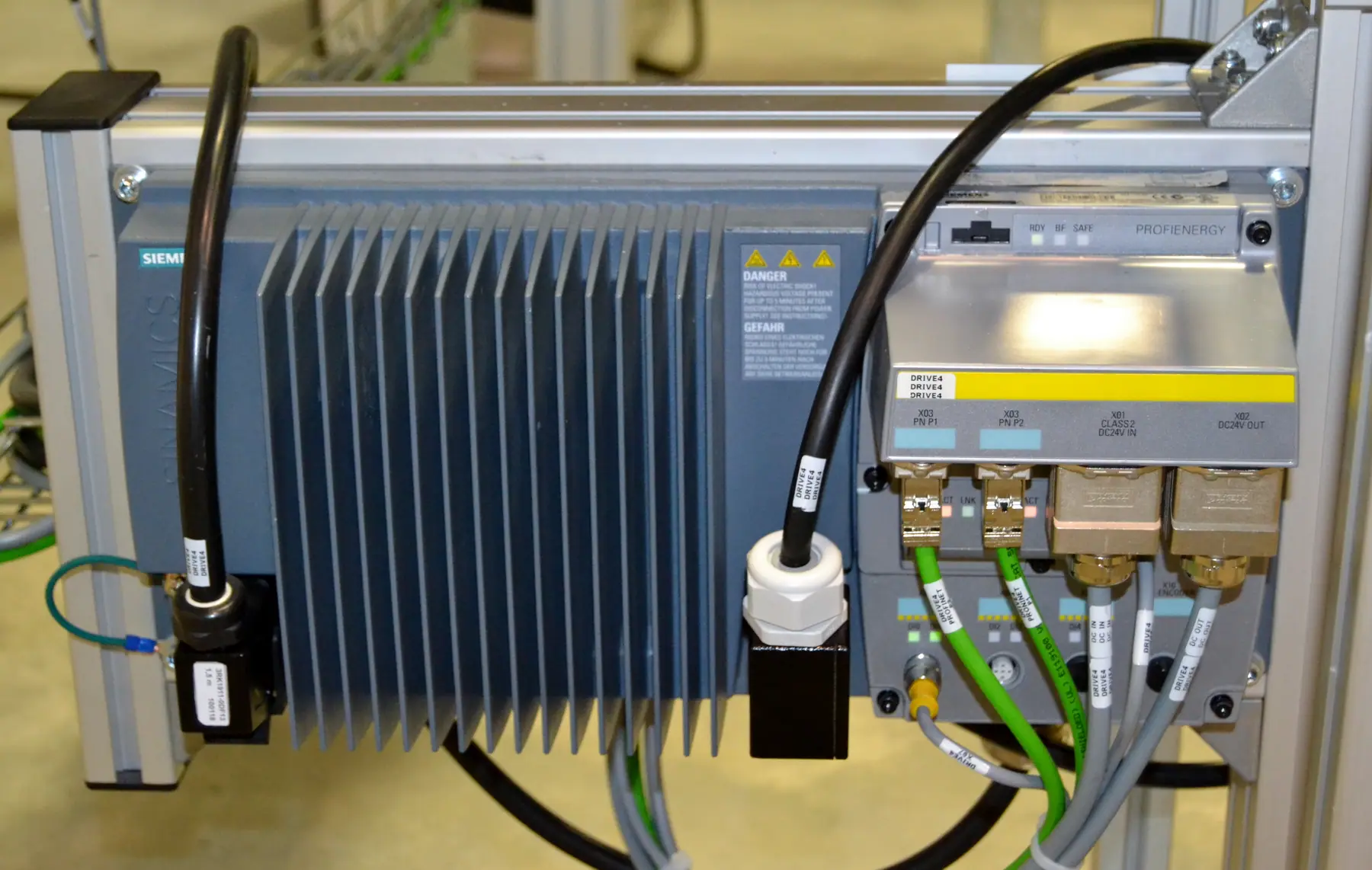
Insights
Spiral footprints, chain selection, remote diagnostics and what single-source integration actually means when something goes wrong.
We design in 3D with SolidWorks — so you see the real footprint, and we catch the clashes before anything is cut.
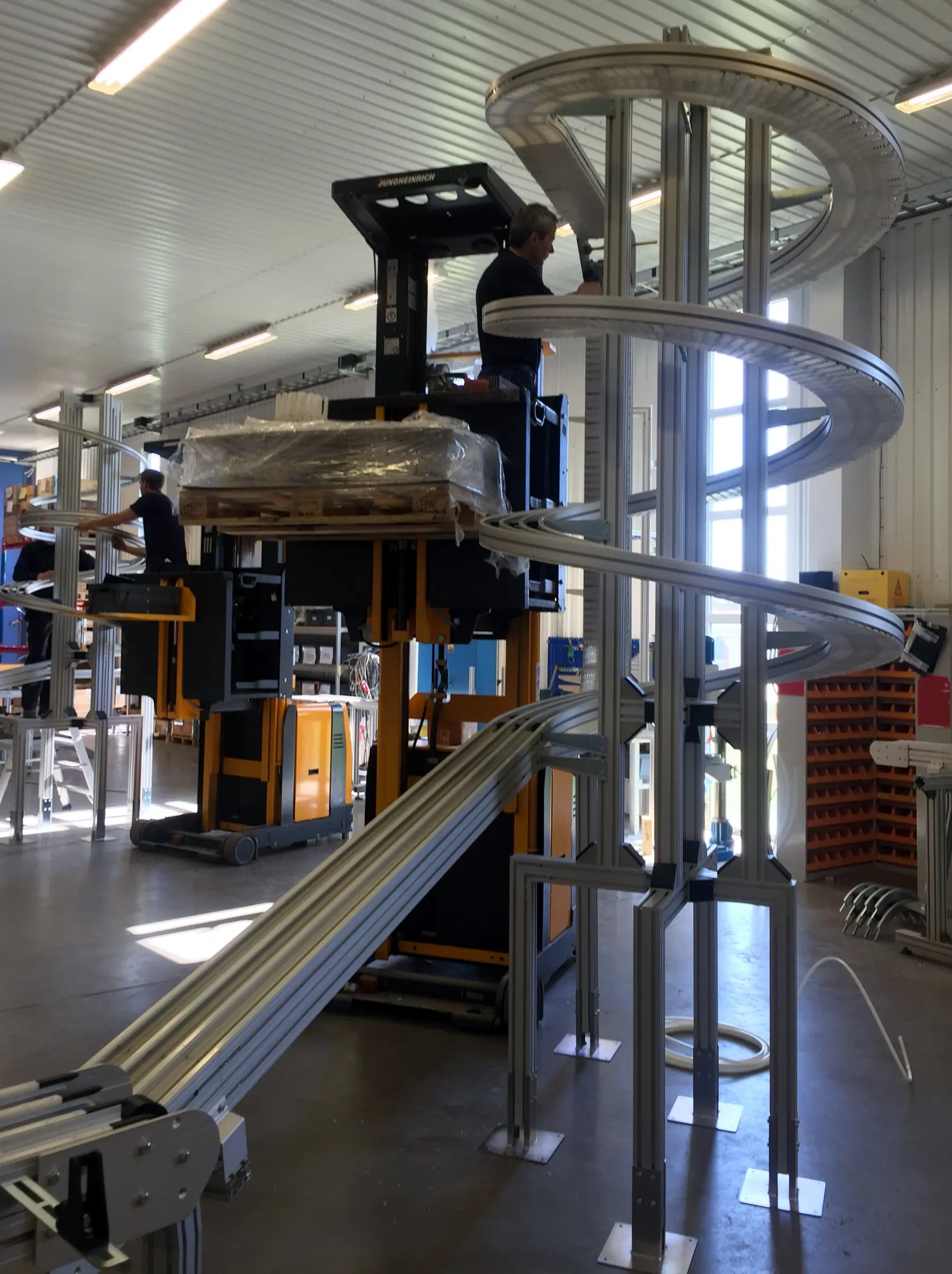
Minimum centerline diameters of 2.62 ft, seven chain styles, and configurable helical tiers — what actually makes a spiral work for you.
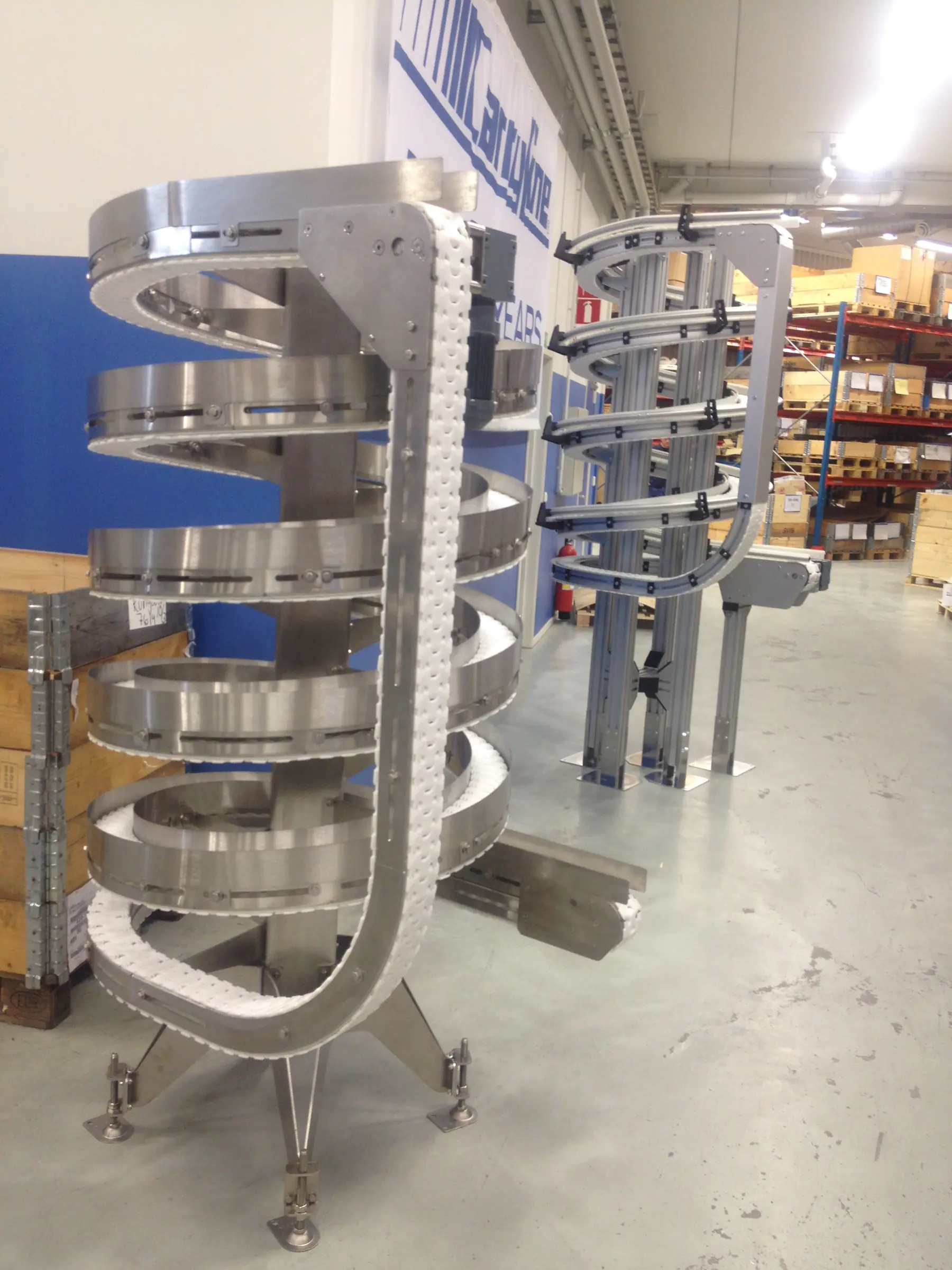
The smaller spiral footprints occupy less than three feet of floor — and ten industries are already using them to reclaim their plants.
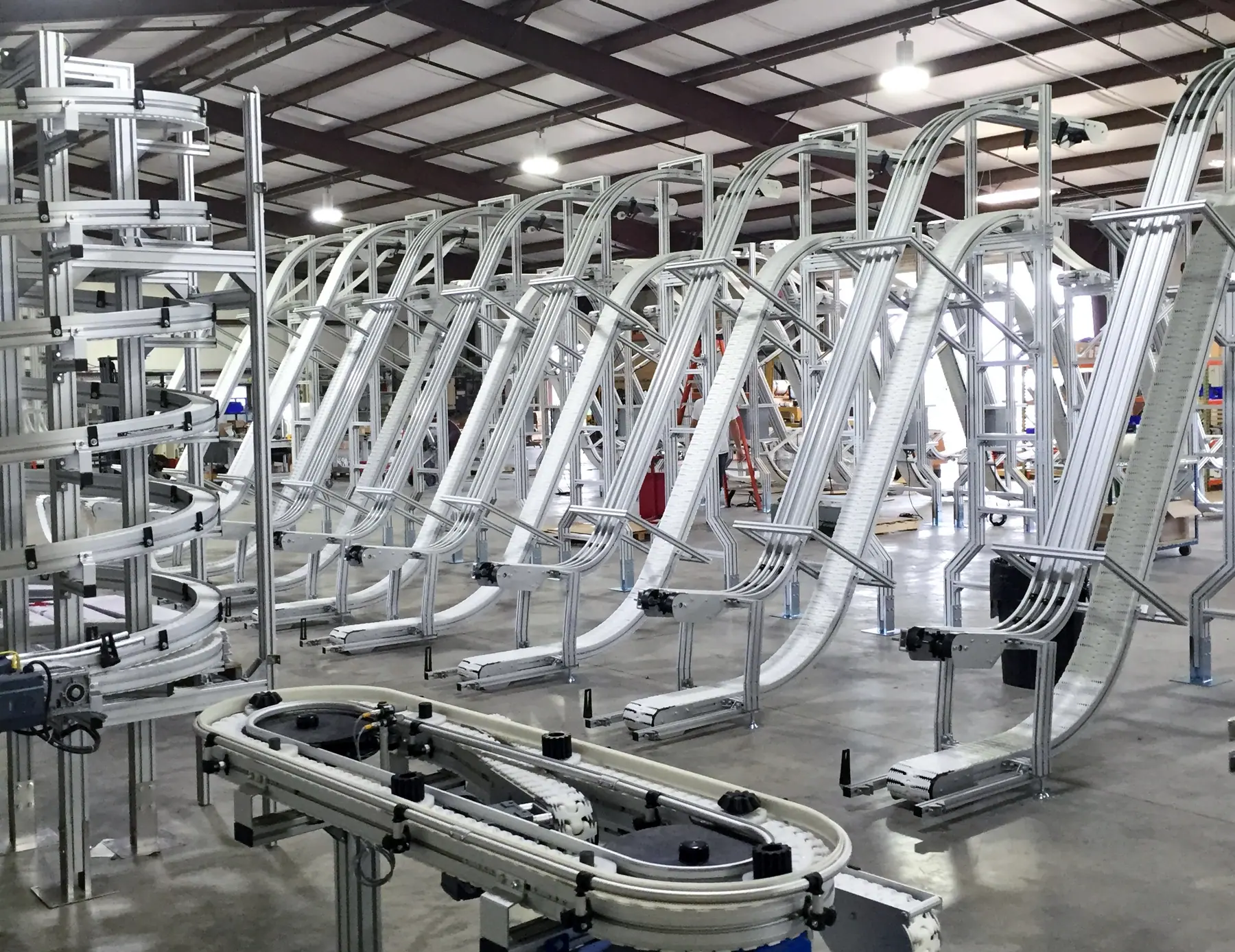
A single source provider sells you several boxes. A single source integrator owns the outcome from assessment through post-installation service.
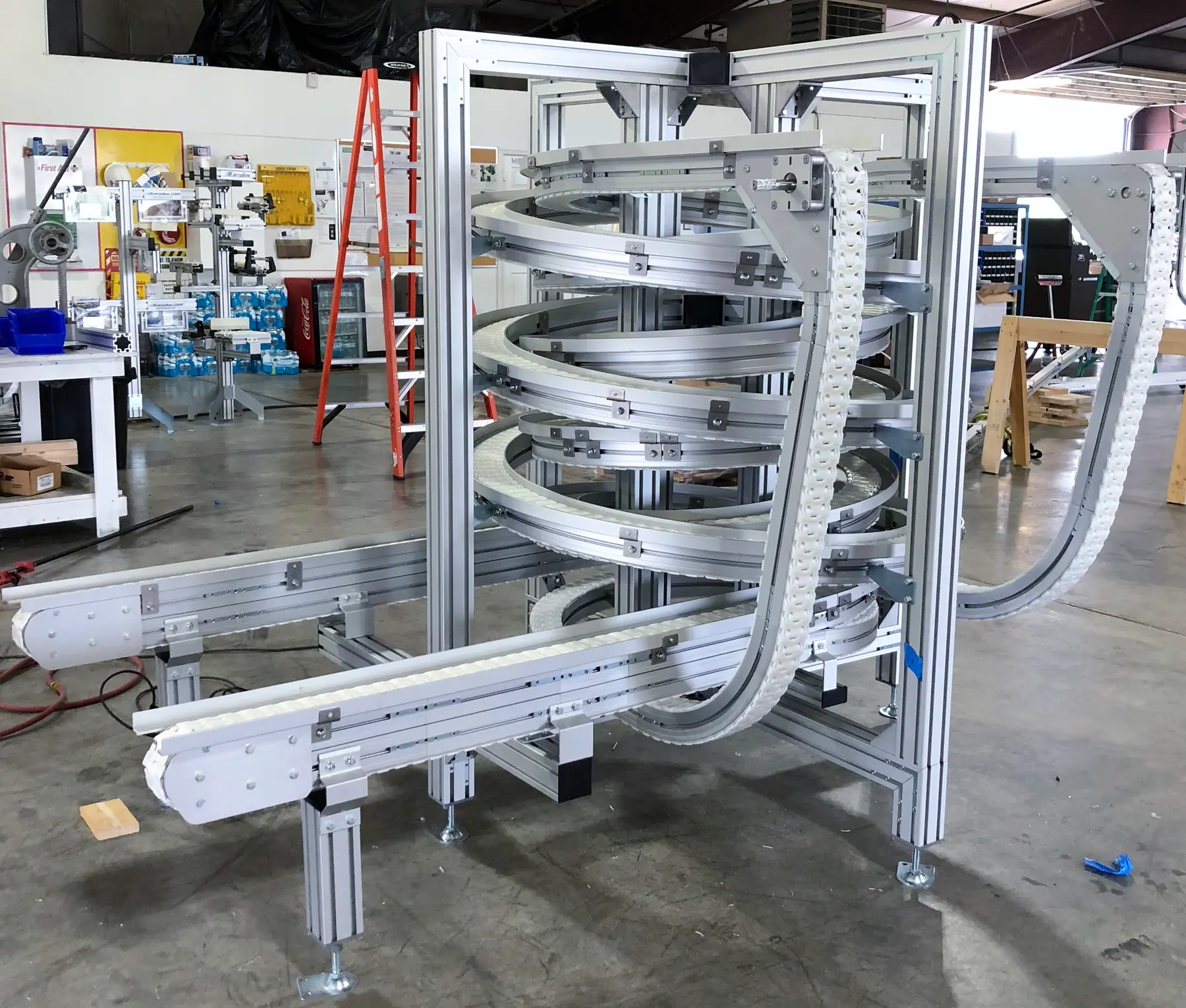
Matrix came to us with a spiral every other manufacturer had turned down. The dual-lane spiral — a spiral inside a spiral — was our idea.
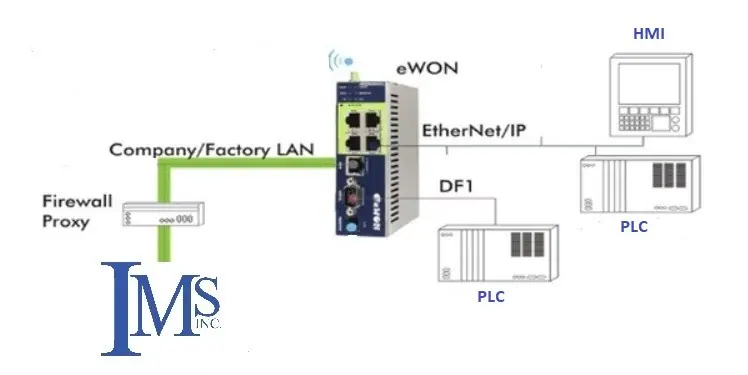
An eWON VPN gateway lets our controls engineers reach the machine — and only the machine. Your factory network stays sealed.
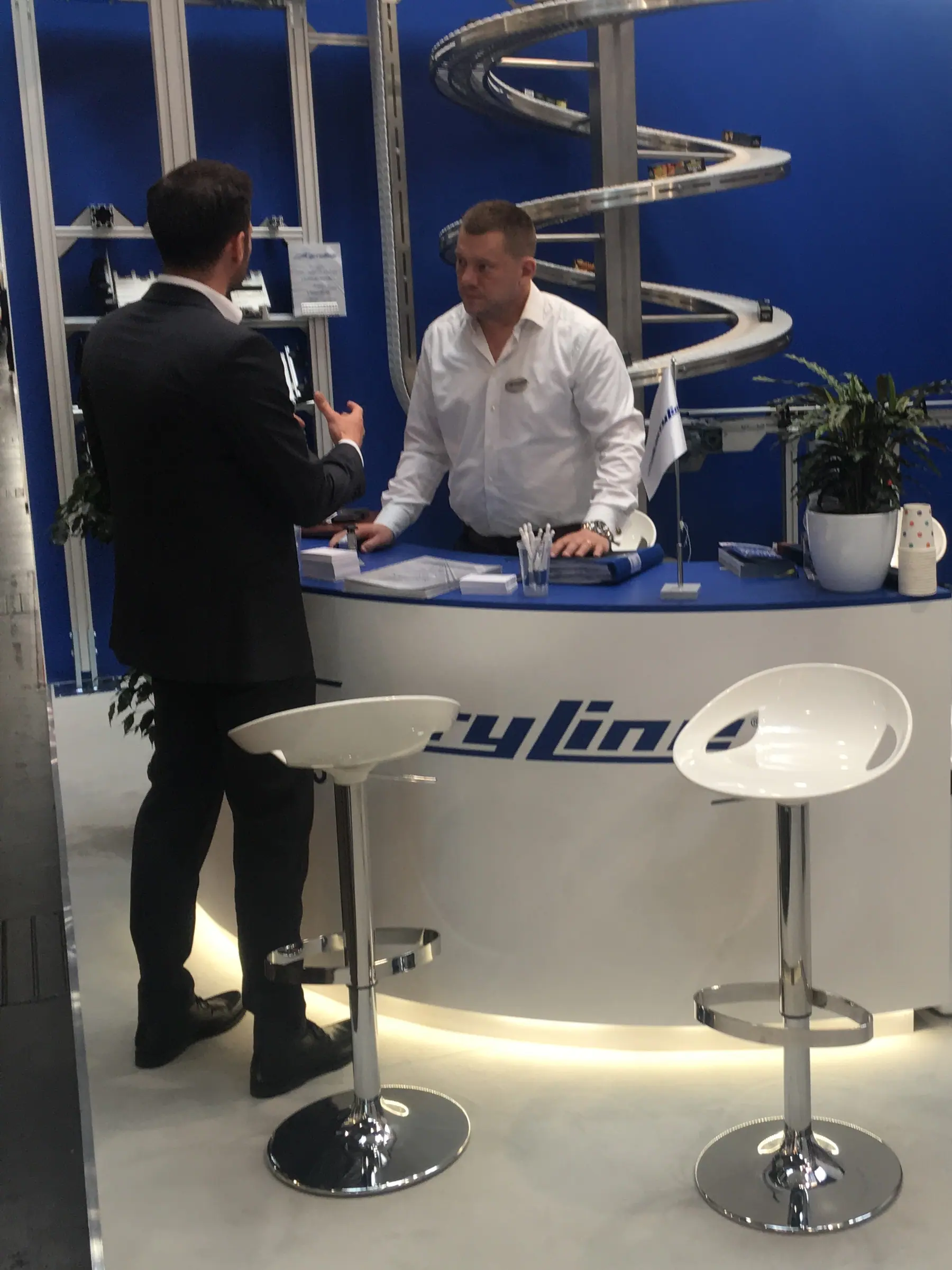
Standard CarrylineUSA conveyors run at speeds up to 300 feet per minute, with plastic chains from 24 mm to 220 mm.
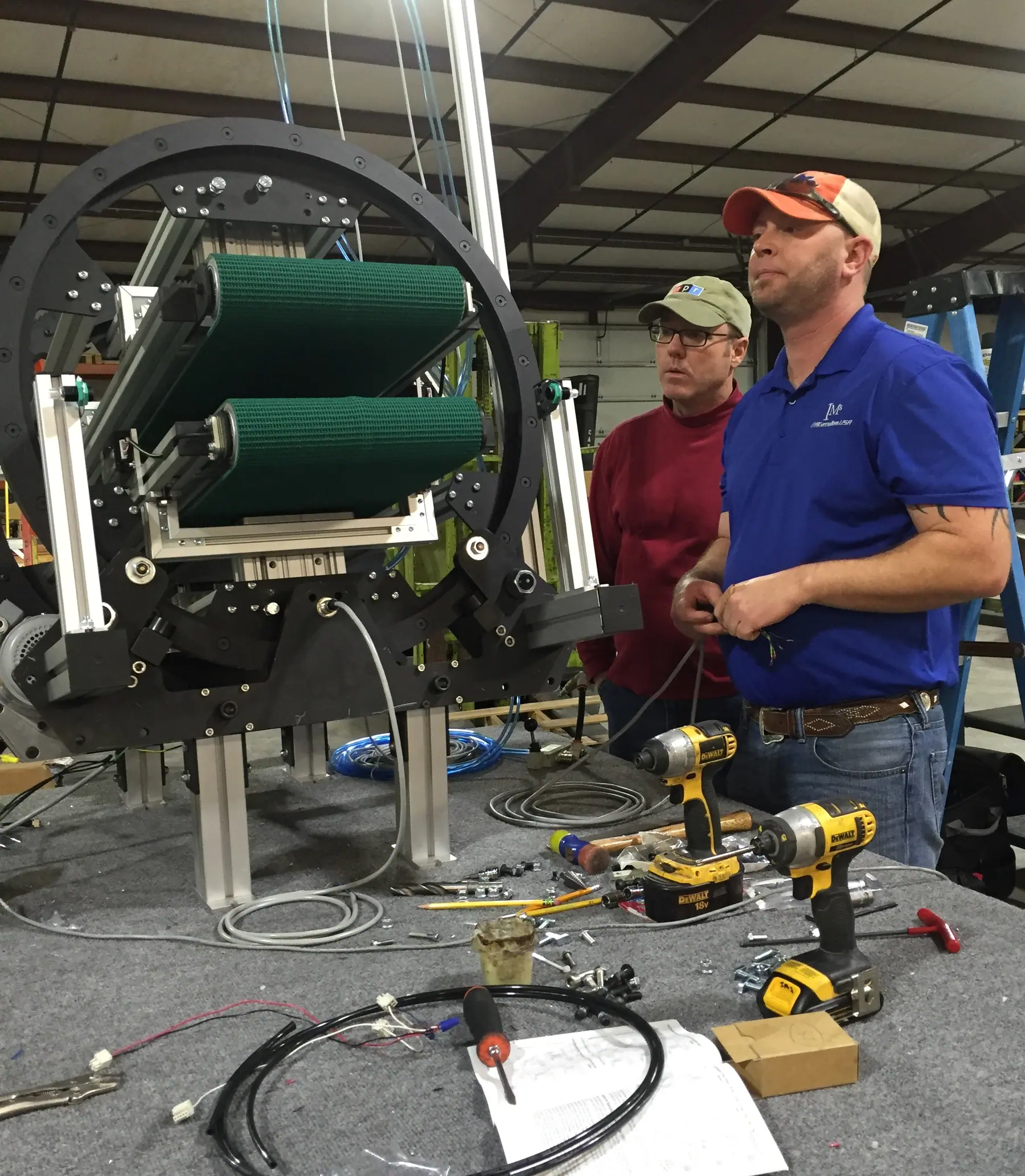
Product handling, environment, safety, floor space, reliability, maintenance and longevity. Seven questions that decide the conveyor.
Send us your product size, throughput target and floor plan. Our engineers will come back with a layout, a footprint and a number.